• Skip to primary navigation
  • Skip to main content
  • Skip to primary sidebar
  • Skip to footer
  • About
  • My Services
  • Training and Events
  • Landlord Law
Landlord Law Blog

The Landlord Law Blog

Interesting posts on residential landlord & tenant law and practice In England & Wales UK

  • Home
  • Posts
  • News
    & comment
  • Analysis
  • Cases
  • Tips &
    How to
  • Tenants
  • Clinic
    • Ask your question
    • Clinic replies
    • Blog Clinic Fast Track
  • Series
    • Renters Rights Act 2025
    • Renters Rights Bill
    • Election 2024
    • Audios
    • Urban Myths
    • New Welsh Laws
    • Local Authority Help for ‘Green improvements’ to property
    • The end of s21 – Protecting your position
    • End of Section 21
    • Should law and justice be free?
    • Grounds for Eviction
    • HMO Basics

Landlord holding deposit due to leak causing damage to neighbours property

This post is more than 9 years old

October 6, 2016 by Tessa Shepperson

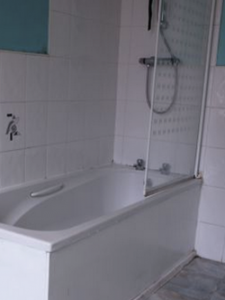
Bath and showerThis is a question to the blog clinic fast track from Dan (not his real name) who is a tenant.

Our bath overflowed one evening with the equivalent amount of 3 pints of water, whilst mopping this up water worked its way through the flooring, which is over a neighbours kitchen and his ceiling collapsed.

Upon investigation, it was clear that the flooring had not been sealed and all the mastic was worn out. The neighbour confirmed that this had happened before with 5 of the 6 previous tenants.

After the event the landlord sent in contractors to re seal the mastic and prior to our vacating the property he had builders in quoting for a new bathroom.

He has now stated that we need to pay all the costs to the neighbour, basically all our deposit, as it was our fault. Our challenge has been that is the floor was sealed correctly then this would not have been an issue. Do we have any grounds to fight this?

Answer

The first thing to do is look at your tenancy agreement. If it does not have a proper clause setting out how the deposit money will be used – the landlord will not be able to claim anything.  The landlord’s right to make deductions from the deposit depends on authority and permission granted in the tenancy agreement.

If there is a clause authorising deductions (and most professionally drafted tenancy agreements will have one) you then need to look at the wording of the clause and see what it says – does it cover this situation?

I suspect it won’t. Tenants are normally liable for damage which flows from a breach of contract. I have yet to see a contract term which forbids overflowing the bath – and even if it was there I suspect it would be classed as ‘unfair’.

It sounds to me as if the overflow was caused by the normal use of the bath. The damage (and the financial loss) was caused by the defective flooring in the bathroom – which is down to the landlord.

So yes, I think it would be well worth challenging the deduction and asking for it to be referred to adjudication.

Previous Post
Next Post

Filed Under: Clinic

Notes:

Please check the date of the post - remember, if it is an old post, the law may have changed since it was written.

You should always get independent legal advice before taking any action.

Reader Interactions

Please read our terms of use and comments policy. Comments close after three months

Comments

  1. Industry Observer says

    October 6, 2016 at 8:19 am

    Since when does three pints bring down a ceiling?

    Cumulative effect of earlier incidents?

    Just go to dispute – no way will the Landlord be awarded the full amount

  2. Romain says

    October 6, 2016 at 9:07 am

    Allowing a bath to overflow isn’t normal use even if accidental. It is usually caused by carelessness or negligence, like allowing an unattended pan to catch fire.
    The tenant will be liable for any resulting damage.

    I think the issue here is the level of damage the tenant is liable for. If the floor wasn’t sealed and the issue happened before (i.e. the landlord must be aware of it) then the tenant might escape liability for damages to the downstairs flat. Especially since, as mentioned by IO, such a small volume of water will not bring a ceiling down.

  3. Colin Lunt says

    October 11, 2016 at 11:12 am

    My view is that the responsibility for the overflow would be covered by the implied or express term of the duty to ‘act in a tenant like manner’. That being said it sounds unlikely that 3 pints would cause a fall . It seems likely that any previous overflow unless they were very severe, would have dried out and thus 3 current pints could not have caused it even from a cumulative effect.

Primary Sidebar

Sign up to the Landlord Law mailing list and get a free eBook
Sign up

Post updates

Never miss another post!
Sign up to our Post Updates or the monthly Round Up
Sign up

Worried about insurance?

Insurance Course

Sign up to the Landlord Law mailing list

And get a free eBook

Sign up

Footer

Disclaimer

The purpose of this blog is to provide information, comment and discussion.

Please, when reading, always check the date of the post. Be careful about reading older posts as the law may have changed since they were written.

Note that although we may, from time to time, give helpful comments to readers’ questions, these can only be based on the information given by the reader in his or her comment, which may not contain all material facts.

Any comments or suggestions provided by Tessa or any guest bloggers should not, therefore be relied upon as a substitute for legal advice from a qualified lawyer regarding any actual legal issue or dispute.

Nothing on this website should be construed as legal advice or perceived as creating a lawyer-client relationship (apart from the Fast Track block clinic service – so far as the questioners only are concerned).

Please also note that any opinion expressed by a guest blogger is his or hers alone, and does not necessarily reflect the views of Tessa Shepperson, or the other writers on this blog.

Note that we do not accept any unsolicited guest blogs, so please do not ask. Neither do we accept advertising or paid links.

Cookies

You can find out more about our use of 'cookies' on this website here.

Other sites

Landlord Law
The Renters Guide
Lodger Landlord
Your Law Store

Legal

Landlord Law Blog is © 2006 – 2025 Tessa Shepperson

Note that Tessa is an introducer for Alan Boswell Insurance Brokers and will get a commission from sales made via links on this website.

Property Investor Bureau The Landlord Law Blog


Copyright © 2026 · Log in · Privacy | Contact | Comments Policy