
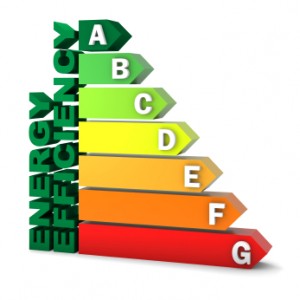
 The Green Deal is a new program which it is hoped will improve energy efficiency in rented properties. It is not here yet but will be rolled out later this year (2012).
The Green Deal will work as follows:
- The landlord will approach a Green Deal Supplier and ask for a green deal package on their property
- An assessor will then take a look and advise them on what changes will be appropraite
- The Green Deal supplier will arrange for this to be done and pay for it upfront.
The cost of the works will then be attached to the electricity bill at the property and will be paid by whoever pays for the electricity – normally the tenant (although sometimes this will be the landlord).
Alhtough this means that, in effect, the tenant is paying for improvements to the property, it will also mean that tenants will be paying lower energy bills so this will still benefit them. The benefits will grow over time as we are told that energy costs are going to be rising.
Why will this be good for landlords?
- It will provide energy efficiency improvements with no upfront costs
- It should also reduce maintenance bills as there will be less problems with things such as mould, damp, condensation or freezing water pipes
- Tenants may want to stay in the property longer, reducing voids
The charges by the way will be attached to the utility meter, so if the tenant changes utility companies the charge will move too. If the property is sold, the charges will be payable by the new property owner or his tenants. it will not affect mortages.
Why it is important for landlords, and the new EPC rules
From 2018 landlords will not be able to let properties which have an Energy Performance Certificate (EPC) band of F or G. So if you know your property has a low rating, you will need to get something done about it. This scheme, when it comes, should be a good way to go.
Note that the regulations for the provision of EPCs have now been tightened up and they must now be commissioned before a property is put up to rent and be available within seven days of commencing marketing a property. Trading Standards officers have increased powers to make sure that this is being done.
You will find more information on EPCs on the governemnts Directgov website.
Doing it now
Note that you may be able to take advantage of special offers available via the properties energy supplier now. For example for cavity wall insulation and loft insurance. So it may be worth asking them.
There is also a special landlords Energy Saving Allowance which you can read about here.
Not just for landlords
Mind you the green deal is not just for landlords. You can read more about it generally here.
Tessa
I may have this completely back to front but I don’t think the comments near the start about costs and who pays them are correct.
The costs attach to the property and the Green Deal loan is repayable over 20 years (I think) by the homeowner, and the charge transfers with any sale unless it has been paid off.
The tenant does indeed benefit from lower electricity bills, but presumably the landlord will look to recoup the costs he is having to pay for the Green Deal loan by increasing the rent?
Happy to be proved wrong but I am sure that is correct. Otherwise if the tenant gets a double benefit of lower electricity bills and a more energy efficient home who repays the Green Deal dosh as it isn’t a grant it’s a loan.
I don’t claim to be any kind of expert in the Green Deal, so you could be right. I got most of my facts from information published by the National Landlords Association.
It may be though that it works differently for landlords than it does for owner occupiers.
This is the first time that I heard about the green deal. Is it really beneficial to the landlords? What if landlords opt not to do the deal.
-Felix
I have read that this is rather the carrot and if it does not work then government will consider employing the stick. The stick being more regulation.
Landlords are a target as the PRS is now some 17% of residential accommodation and much of this is property which has poor energy efficiency.
Hi all
Not sure if many landlord but many energy supplier have grants for the full cost for tenants subject to t&cs . Seems silly to pay interest on something you can get for free at the moment.
Please free to email me for more info